

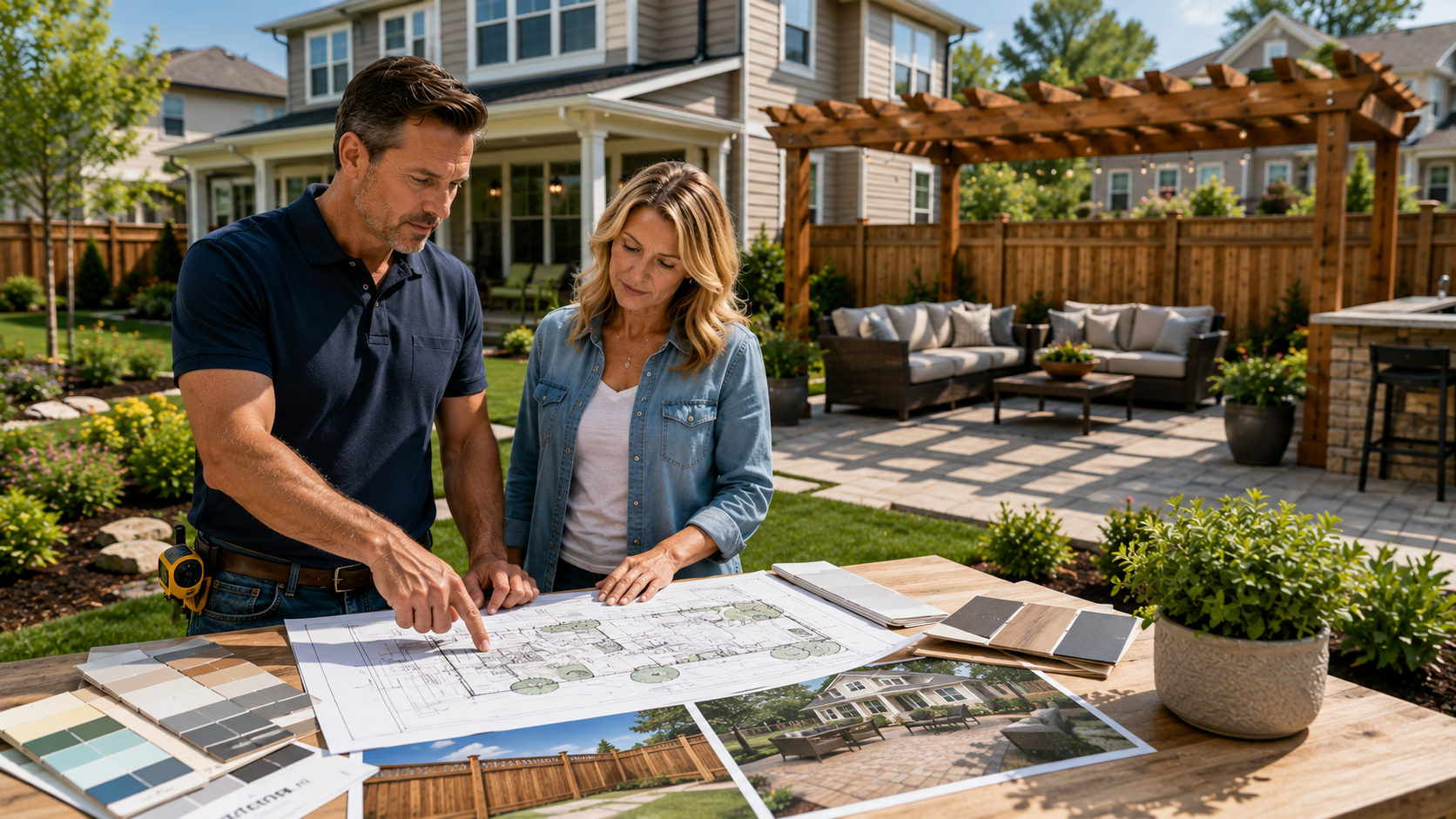
Thinking about installing a fence, building a patio, replacing your roof, or changing your home’s exterior color? Before starting your project, it’s important to understand your community’s architectural review requirements.
Many homeowners are surprised to learn that certain exterior modifications require approval from their homeowners association before work begins. Taking a few minutes to understand the process can help you avoid delays, prevent costly mistakes, and keep your project moving forward.
Architectural review procedures are designed to protect property values, maintain community standards, and ensure consistency throughout the neighborhood. Understanding how the process works can help homeowners navigate their projects with confidence.
Before You Start: Understanding HOA Approval Requirements
Most homeowners associations have architectural guidelines that govern exterior modifications to homes and lots within the community. These guidelines are typically outlined in the association’s governing documents and help maintain a cohesive appearance throughout the neighborhood.
Before beginning any exterior project, homeowners should review their association’s architectural standards and approval procedures.
Requirements vary by community, but many exterior changes require approval before work can begin.
Common Home Improvement Projects That May Require Approval
While every association is different, homeowners commonly need approval before making changes such as:
- Fence installations
- Decks and patios
- Exterior paint color changes
- Roof replacements
- Window replacements
- Landscape modifications
- Sheds and accessory structures
- Solar panel installations
- Driveway expansions
- Pool installations
Even projects that seem minor may require review depending on your community’s governing documents. When in doubt, it is always best to ask before starting construction.
Why Your HOA Requires Approval Before Certain Projects
Architectural review is not intended to prevent homeowners from improving their property. Instead, it helps balance individual property improvements with the long-term interests of the entire community.
Architectural review helps:
- Protect property values
- Maintain community aesthetics
- Ensure compliance with community standards
- Prevent conflicts between neighbors
- Support long-term community planning
Consistent architectural standards help create attractive neighborhoods that benefit all homeowners.
How the Architectural Review Process Works
Most associations follow a structured review process. Homeowners submit an application describing the proposed project along with supporting documentation.
Depending on the project, requested information may include:
- Project descriptions
- Site plans
- Construction drawings
- Material specifications
- Paint color selections
- Photographs or renderings
- Contractor information
The Architectural Review Committee (ARC) or board then reviews the submission to determine whether the proposal complies with the community’s guidelines.
Common Reasons Applications Are Delayed
Many approval delays occur because applications are incomplete. Missing information often requires additional follow-up and can extend review timelines.
Common reasons for delays include:
- Missing site plans
- Incomplete project descriptions
- Lack of material specifications
- Missing color samples
- Insufficient supporting documentation
- Unclear project scope
Submitting a complete application from the beginning can significantly improve the review process.
What Happens If Your Request Is Denied?
In some cases, architectural requests may be denied if they conflict with governing documents, architectural standards, safety requirements, or maintenance considerations.
A denial does not necessarily mean the project cannot move forward. Homeowners are often able to revise and resubmit their proposal with modifications that better align with community standards.
Understanding the reason for the denial can help homeowners make the necessary adjustments and improve the likelihood of approval.
Tips for a Successful Approval Process
Homeowners can improve their chances of approval by following a few simple best practices:
- Review community guidelines before planning the project
- Submit complete and accurate documentation
- Provide detailed project information
- Include material and color specifications
- Allow adequate time for review
- Respond promptly to requests for additional information
- Wait for formal approval before beginning work
Taking these steps can help prevent unnecessary delays and create a smoother experience for everyone involved.
How Professional Management Supports Architectural Review
Professional community management companies often assist with architectural review administration by coordinating applications, communicating with homeowners, maintaining records, and helping boards and committees manage the review process efficiently.
Clear communication and organized procedures help create a more positive experience for homeowners while supporting the association’s architectural standards.
A Few Minutes of Planning Can Save Weeks of Delays
Architectural review is an important part of preserving community standards and protecting property values. By understanding the approval process and preparing complete applications, homeowners can successfully move forward with improvement projects while supporting the long-term success of their community.
At Omega Association Management, we help communities manage architectural review processes efficiently while promoting transparency, communication, and homeowner engagement.
Questions About Architectural Requests?
Contact Omega Association Management to learn more about architectural review procedures, homeowner resources, and professional association management services.