

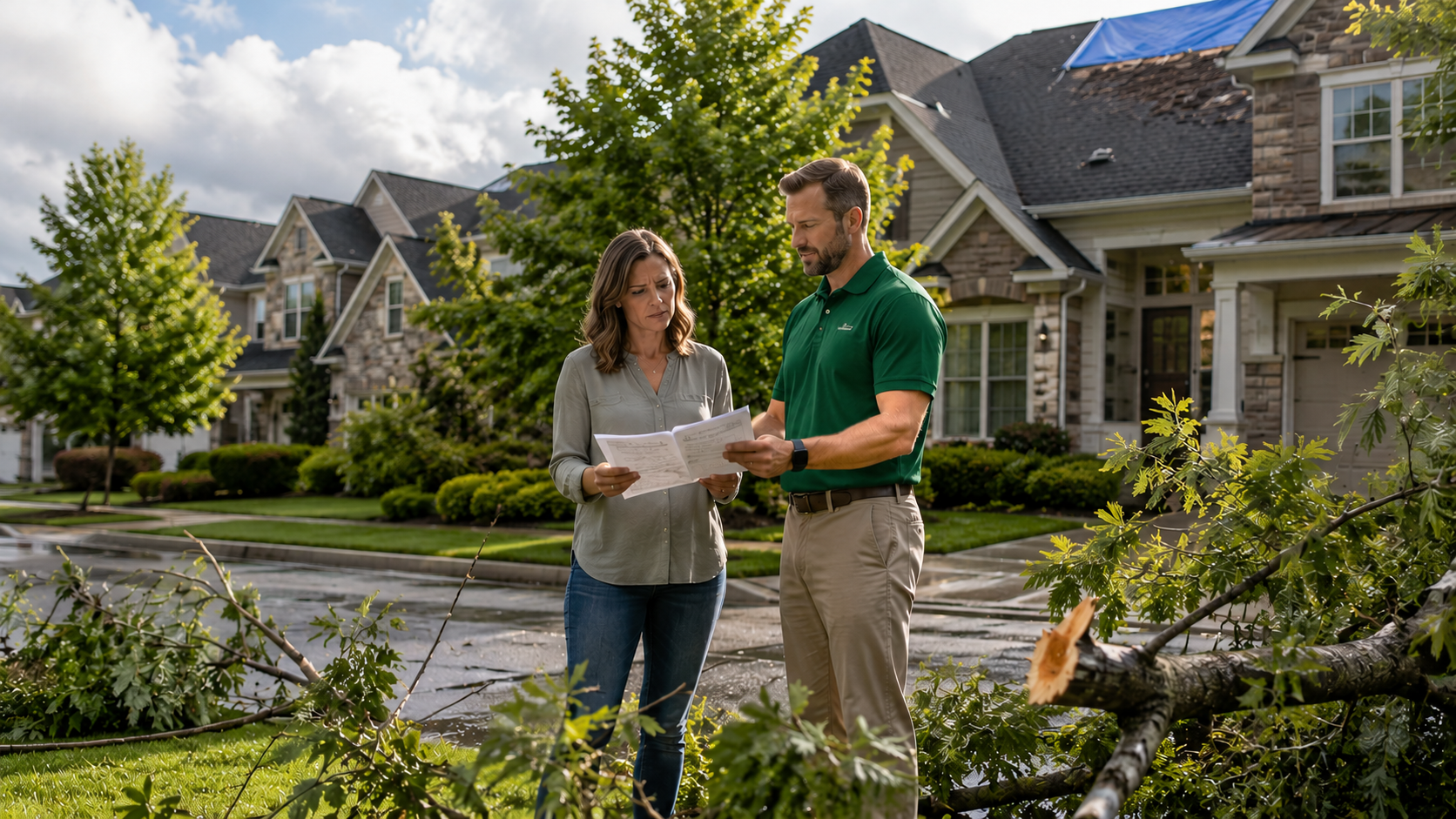
Insurance is one of the most important protections a homeowners association can have, yet it is also one of the most misunderstood topics among homeowners. When damage occurs to a building, common area, or community amenity, many residents immediately ask the same question: Who pays for it?
The answer often depends on the association’s governing documents, the type of insurance coverage in place, and the specific circumstances surrounding the loss. Understanding how HOA insurance works can help homeowners avoid confusion and better protect their property and finances.
What Is HOA Insurance?
HOA insurance is a policy or collection of policies purchased by the association to help protect community assets and manage certain risks. These policies are funded through homeowner assessments and are designed to protect the association, its common areas, and, in some cases, portions of residential structures.
Coverage varies by community, but HOA insurance generally focuses on protecting shared property and association responsibilities rather than individual homeowner belongings.
What Does HOA Insurance Typically Cover?
While every policy is different, HOA insurance often helps cover:
- Clubhouses and community buildings
- Pools and recreational facilities
- Community entrances and signage
- Common area landscaping
- Shared structures and amenities
- Liability claims involving common areas
- Certain storm-related damages
The exact scope of coverage depends on the association’s insurance policies and governing documents.
What Is Usually the Homeowner’s Responsibility?
Many homeowners assume the association’s insurance policy protects everything on their property. In reality, homeowners are often responsible for insuring their own personal belongings, interior improvements, and portions of their home.
Homeowners should consider maintaining their own insurance coverage for:
- Personal property
- Furniture and electronics
- Interior finishes and upgrades
- Personal liability protection
- Additional living expenses after covered losses
Your insurance professional can help determine the appropriate coverage for your situation.
What Happens After a Storm?
Severe weather events often create questions about insurance responsibilities. If a storm damages a common area amenity, entrance monument, clubhouse, or other association-maintained property, the association’s insurance policy may become involved.
If damage occurs to portions of a homeowner’s property, the homeowner’s insurance policy may also play a role.
Every claim is unique, which is why insurance professionals carefully review the cause of the loss, applicable policies, and governing documents before determining coverage.
Understanding Deductibles
Like most insurance policies, HOA insurance typically includes deductibles. A deductible is the amount that must be paid before insurance coverage begins contributing toward a covered claim.
Depending on the situation, associations may be responsible for certain deductibles, while governing documents may outline circumstances where costs can be allocated differently.
Because deductible provisions vary, it is important to understand how your association’s documents address these situations.
Why Insurance Costs Continue to Rise
Across the country, many associations have experienced increasing insurance premiums in recent years. Several factors contribute to these increases, including:
- More frequent severe weather events
- Rising construction costs
- Higher replacement values
- Increased litigation expenses
- Industry-wide insurance market changes
As premiums increase, boards must carefully balance coverage needs with responsible budgeting.
Why Reserve Planning Matters
Insurance is only one component of a healthy financial strategy. Reserve funds help associations prepare for major repairs and replacements that may not be covered by insurance.
Strong reserve planning helps communities remain financially stable and better prepared for unexpected events.
How Homeowners Can Stay Informed
Insurance responsibilities can seem complicated, but homeowners can gain a better understanding by reviewing community documents, attending meetings, and asking questions when needed.
Staying informed helps residents understand what the association’s insurance covers and where individual homeowner policies may be necessary.
Protecting Your Community and Your Investment
HOA insurance plays an important role in protecting community assets and managing risk. However, homeowners should not assume association coverage replaces their own insurance needs.
By understanding the relationship between HOA insurance and homeowner insurance, residents can make more informed decisions and better protect their property, finances, and peace of mind.
At Omega Association Management, we work closely with boards, insurance professionals, and homeowners to help communities understand risk management, maintain compliance, and protect valuable community assets.
Questions About HOA Insurance?
Contact Omega Association Management to learn more about community operations, insurance considerations, and professional HOA management services.